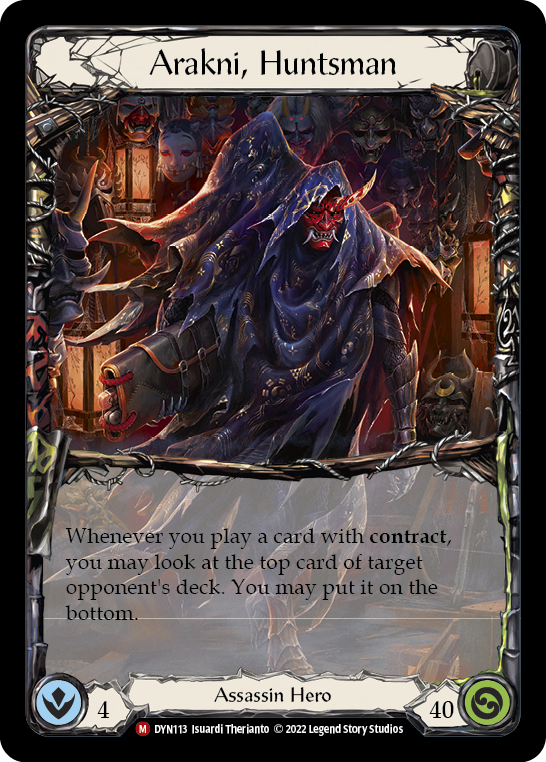
Back in December, Taylor Morrow served up an excellent primer on Arakni, Huntsman. Today, I'd like to build on that through the lens of my own list.
To introduce myself, I am a long time enjoyer of Assassin and Huntsman in particular. I aligned with Arakni back in Dynasty and haven't left my daggers at home since. My claim with the hero is a Top 8 at a Pro Tour Invitational at Toulouse back in the Lexi meta of 2023.
In this article, I’ll solely be talking about my own version of the deck; we'll leave the whispers and shadows of other variants to future articles.
The Grand Design
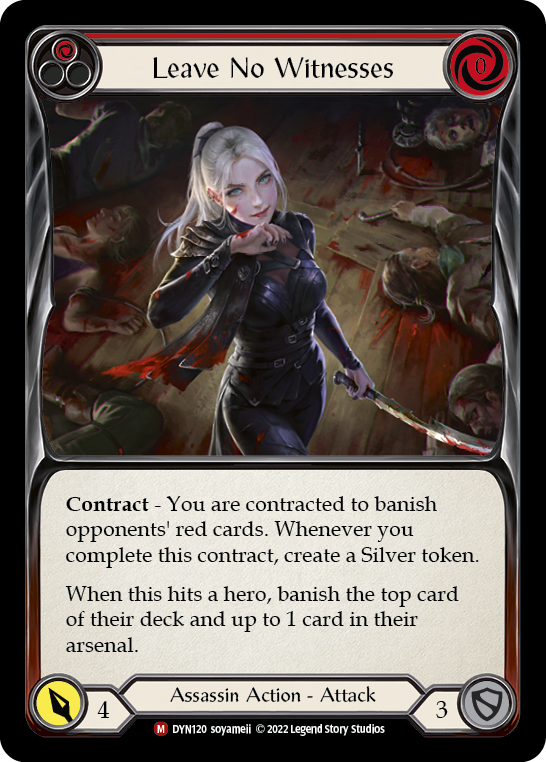
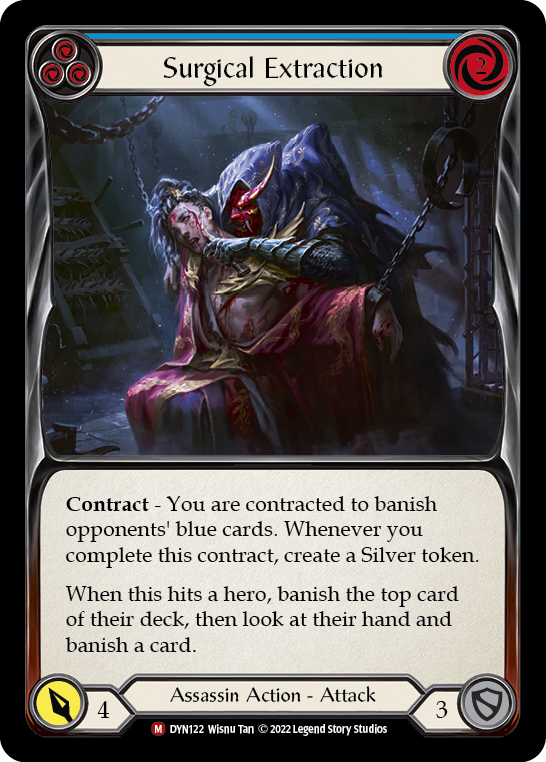
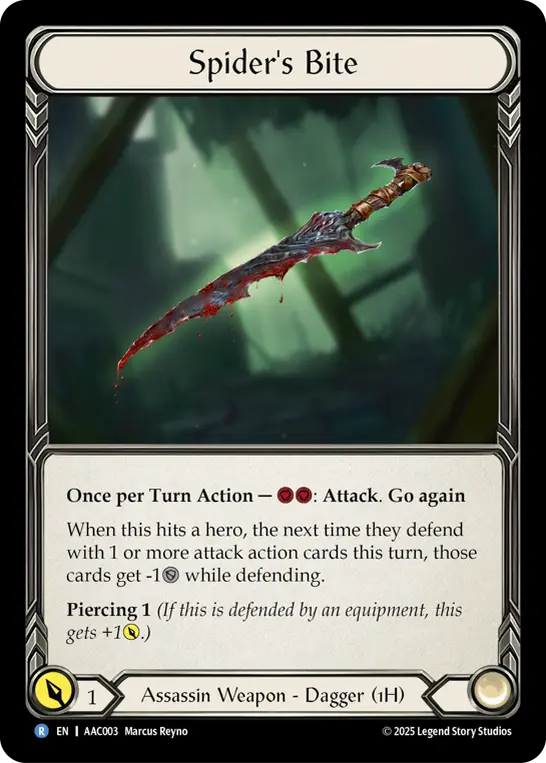
I am a fatigue player, hooked to perfecting my craft because playing Huntsman is a tale of perfection and decision-making without any room to falter. Every decision you will make during the game will affect its outcome, ideally shifting toward a positive one. As has already been said in other articles, this is a proactive fatigue deck, meaning that you are actively engaging in interactions throughout the game and asking your opponent to answer, be that by Leave No Witnesses, Surgical Extraction, or Spider’s Bite into Command and Conquer. You are always making - and requiring - tough decisions.
Weapons
- Graven Call (1)
- Scale Peeler (1)
- Spider's Bite (1)
Equipment
- Blacktek Whisperers (1)
- Arcane Lantern (1)
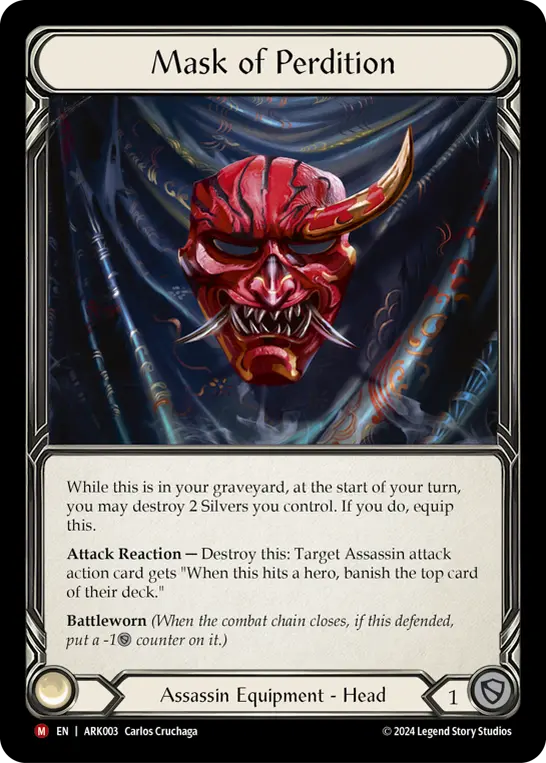
- Mask of Perdition (1)
- Flick Knives (1)
- Fyendal's Spring Tunic (1)
- Stalker's Steps (1)
- Widow Back Abdomen (1)
- Widow Veil Respirator (1)
Loadout
- Amulet of Echoes (Blue) (2)
- Coercive Tendency (Blue) (3)
- Annihilate the Armed (Red) (3)
- Eradicate (Yellow) (2)
- Codex of Frailty (Yellow) (3)
- Cut to the Chase (Red) (3)
- Double Trouble (Blue) (3)
- Blanch (Red) (3)
- Art of Desire: Mind (Blue) (3)
- Enlightened Strike (Red) (3)
- Hunter or Hunted? (Blue) (3)
- Bonds of Attraction (Blue) (3)
- Death Touch (Red) (1)
- Command and Conquer (Red) (3)
- Overcrowded (Blue) (1)
- Leave No Witnesses (Red) (3)
- Sink Below (Red) (3)
- Oasis Respite (Red) (2)
- Just a Nick (Red) (3)
- Plunder the Poor (Red) (3)
- Persuasive Prognosis (Blue) (3)
- Remembrance (Yellow) (1)
- Shelter from the Storm (Red) (3)
- Sigil of Solace (Red) (2)
- Sack the Shifty (Red) (1)
- Surgical Extraction (Blue) (3)
- Slay the Scholars (Red) (3)
With this list, I chose to go hybrid, playing both contracts and stealth cards, trying to utilize both to their maximum potential. The goal of the deck is simple: I want to neutralize my opponent’s threats, suffocate their options, and banish their deck, with the extra option of killing through health points.
Knowing your opponent, their deck, and their playstyle can greatly assist in navigating the game. Do they tend to block a lot? No blocks at all? Do they overthink about possible reactions? I’m always trying to bluff my opponents with plays that make their minds go blank.
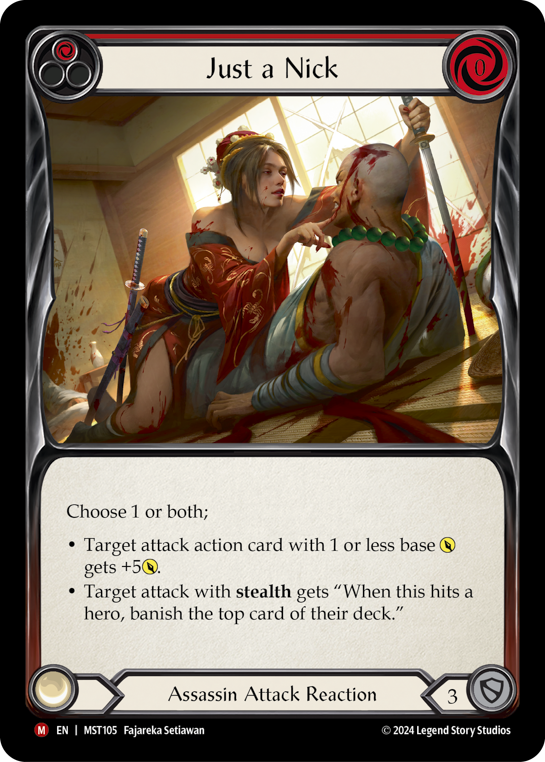
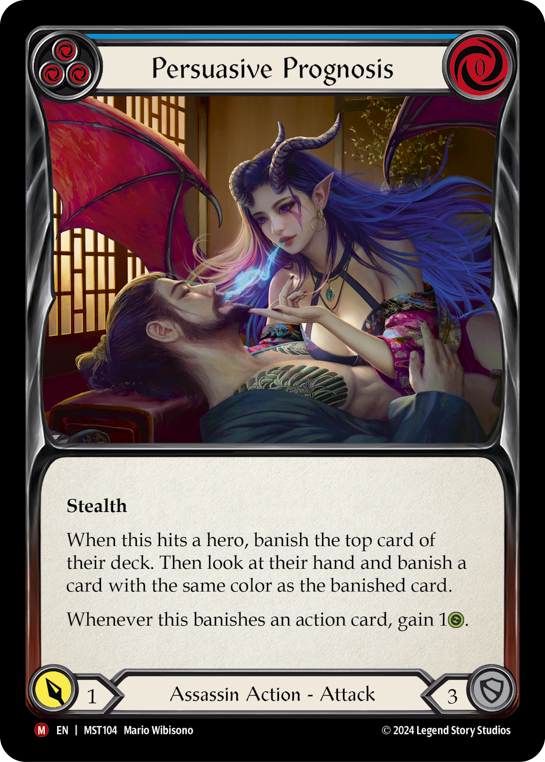
Holding information is a valuable asset and should be fully used in this hero. For example, your opponent sees 2 Just a Nick in your graveyard and you are attacking with a Persuasive Prognosis. Their mind will naturally go to the possibility of a 3rd in your hand, and they may just overblock to prevent this. But it was a Sink Below all along!, and you just gained immense power over your opponent’s mind. Knowing when to bluff and when to give it all is a tough thing to translate into practice, but it is definitely worth it.
Take these elements into account to make the best decisions at all times.
Prepare for Trouble!
In my list, I consider Double Trouble to be foundational.

This addition from Part the Mistveil was unused until recently. Double Trouble allows you to push both fatigue and damage, making it a fantastic card for the hybrid focus of our deck. The trick is simple: to have 2 reactions, you can use your equipment- which can be retrieved with Silver- or any other strong reaction card like Just a Nick or Coercive Tendency. This gives Double Trouble above-rate value, to the tune of 2-card-8 or 1-card-5 without even counting deck banish - which is everything we dream of.

Most cards in your deck will ask for another card (and life) out of your opponent. Of these, the best ones are Command and Conquer, Double Trouble, Leave No Witnesses, Persuasive Prognosis, and my favorite, Surgical Extraction. All of those will probably take 2 cards every time they are presented to your opponent, whether those cards come from the deck, hand, arsenal, or even equipment. The way to win games is to maximize this with every single threat you can
present.
Asking The Question
Apart from Persuasive Prognosis - which is a fantastic tool to pair with Just a Nick, and a mental threat to your opponents because of the destructive on-hit - my stealth cards are my main blue base, allowing a strong stability to lay ground for Hunter or Hunted? - the cornerstone of the deck.
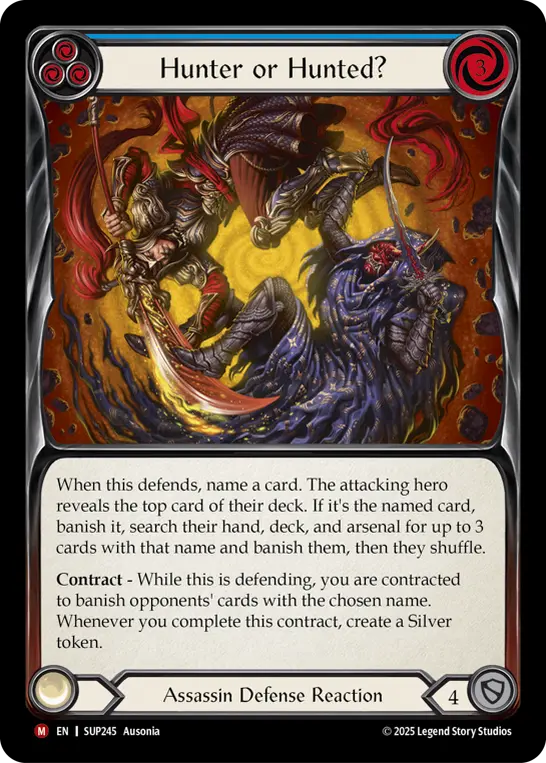
This new defense reaction has revitalized the hero under a new moonless night. Its creation of Silver is unprecedented, the information it gives surpasses that of the late Bonds of Agony (seeing the arsenal as well), and its disruption is game-winning.
One trick to note: You can name 1 side of a split card (such as "Life" on the card Rampant Growth/ Life) and search their deck for any card with that name; as such, you can banish 4 cards named “Life” even if the other split-part is not the same name!
But Hunter or Hunted? is not all-powerful. You will need to think before playing the card, accounting for all its flaws. The main one is that it costs 3, and as such needs a lot of resources - which is why we play so much blue! The other flaw is
that it's a defense reaction; as such, your opponent can respond in between your hero power trigger and HoH? trigger by, for example, drawing a card - and potentially nullifying your card! As such, knowing your opponent’s deck and knowing what its capable of is of utmost importance.
The Blacktek Market
We have access to very powerful equipment that comes with recursion, but which one to buy back first?
- Mask of Perdition – If you’re looking at a slower game, or if banishing key cards could win the game on the spot. Also great to get multiple silvers easily if your contract is sure to hit its mark.
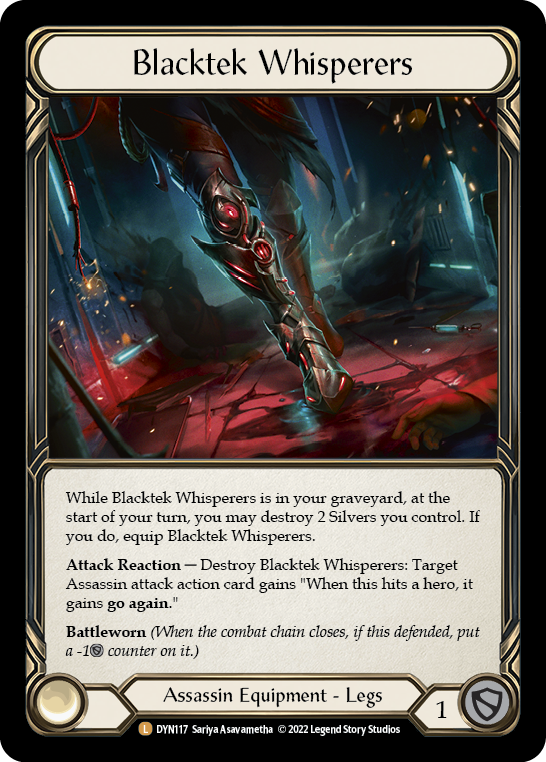
- Blacktek Whisperers – If you’re looking at a faster game, or if you have the edge, this can help you go wider.
- Graven Call – It should be your priority for slow games, and if you want to assassinate a low life enemy.
- Shriek Razors – Just kidding, we don't run this! Buy some food with that money, it'll keep you going between rounds.
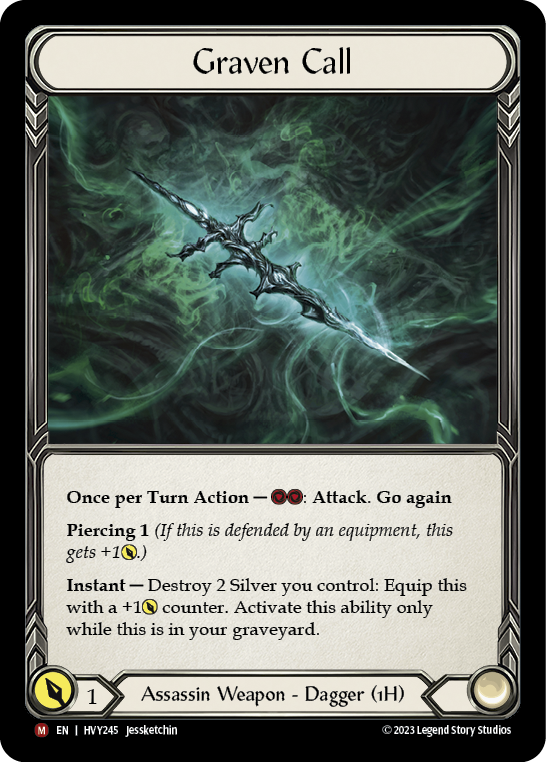

Now, the code is more like guidelines than actual rules. But sticking to that should help you.
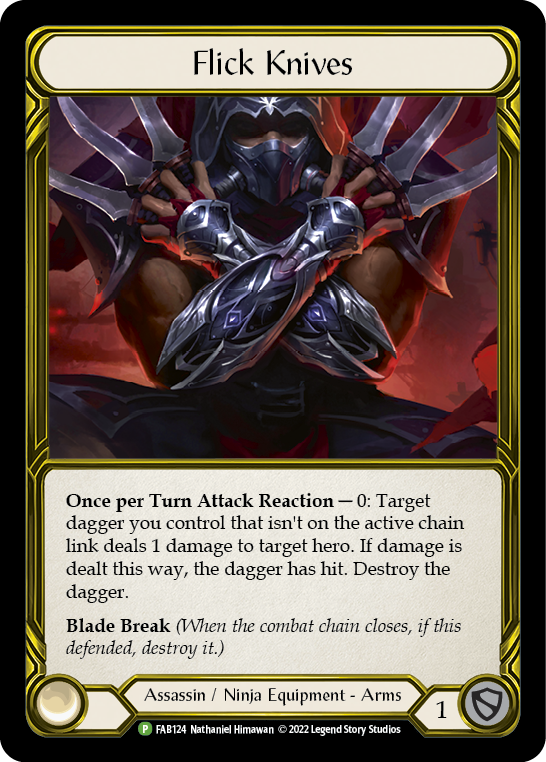
When it comes to arcane barrier, I have chosen to go with AB4/SV2, only keeping Flick Knives and a single dagger because the gameplan against Verdance (the primary Wizard of concern here) is to fatigue her without leaving her options of leaking arcane damage.

Before we move on, let’s briefly talk about Graven Call. Such an underestimated card! This beauty lets you stab your opponent twice as hard as any other dagger, with the added benefit of being aerodynamic. Turns out, hitting twice as hard can put your opponent in a dire position twice as fast - so don’t sleep on that dagger and swing it if you have the opportunity!
Graven Call is a dagger you want to Flick when you have the resources to get it back. Do not make the mistake of destroying it without the 2 Silvers required, as you will find yourself suddenly very weak. The best windows to flick it is with Double Trouble, because Trouble is looking for attack reactions anyway.
Numbers! Who Doesn't Love Those?
I’m playing 22 blues, and for a reason. At 23, I'd have a 50% chance to draw 2 or more blues in the same hand, allowing for a perfect Hunter or Hunted?. At 22, I sacrifice 3% of that to optimize the cards themselves and threaten my opponent with an even more dangerous deck. Each choice should be deliberate and accounted for; don’t put cards in your deck just for being pretty (hello Regicide). if you want to be the perfect Assassin, you’ll have to make sound and logical decisions.
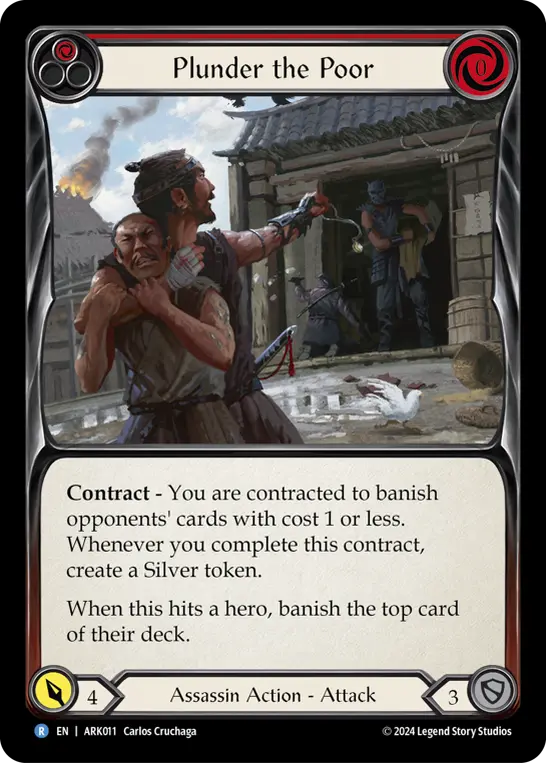
We can’t talk about numbers and not mention contracts' Banish Hit %. What is that? The percentage at which a contract is completed while banishing 1 card off the top of the deck - and some cards have way better stats than others!
This document was made by another Spider Mentor, Etasus, and every credit goes to him. Please feel free to go to his website, Blackjack's Tavern, where he posts articles twice a month on Assassins.
If we refer to the linked spreadsheet, we can see that Plunder the Poor is the most likely to hit amongst contracts, with its
easy conditions of “cards with cost 1 or less” – which is a 100% hit chance against mainstream Cindras, by the way! And Prognosis will hit an action card nearly 9 times out of ten. So you can count on that life gain. Refer to these stats with your local meta in mind, and they should help you decide which cards you want to put in your list.
How to Use Your Hero Power
Arakni’s hero power is very simple, yet powerful. Information is key to winning battles. So, when should you bottom or leave the card on top?
The short answer is.. it depends. But really, we can dive a little deeper.
- What type of deck is your opponent on?
- How long do you expect the game to go?
- Is there a better target?
- Do you expect you will hit and banish the card or not?
- et cetera desunt...
To sum things up, if your opponent’s deck is aggro, like Cindra, you want to leave on top strong extenders like Wrath of Retribution because you want to face those threats while your HP are still full. The game will not be long in time, but the Cindra player will see their whole deck 100%. So take that into account. Rule of thumb would be leave it on top, she will probably not block.
For slower decks, say Florian, you are probably not hitting anything. So leaving cards on top should be only for information you want, or cards that don’t matter. “A defense reaction? Perfect, I’ll play CnC.” “A Plow Under? Okay, let’s bait it with my Sigil of Solace.”
Bottoming cards is very strong, because you’re actively messing with your opponent’s stack and putting cards they don’t want to see later in the game. It also helps you counter-stack, but we’ll get to that. By bottoming, you’re also saying “I’ll deal with that later,” so be careful what you wish for. Information is key, and remembering every card you see through your hero power, Coercive Tendency, or Hunter or Hunted? will actively help you play better.
Actually, let's use those two as a simple example. (Call them back up, editor!) Lead off with Coercive. You are seeing 3 cards, and you banish one. Say you don’t hit, and banish no other cards. When you go on the defensive and play HoH?, you are now immune to your opponent drawing a card in between your effects, because you know both cards. Now that’s strong!
Shifting Stances
Sometimes you’ll find yourself in a situation where you want to shift from the attacker to defensive, or get back out from being forced into blocking. Those pivots are key for winning games.
To get out from under a blocking position, you need to spot a weakness in your opponent’s turn, like a low damage
turn or a miss on a go again. Then you take the pressure back and send disruption.
The more common situation is the opposite, and accepting when to full block and pass the turn. For that, you need to assess value per card. Say your opponent sent 7 with go again, and you blocked 6, keeping 2 cards. Then, they send a big damaging card, averaging 10. That’s a spot where you need to do the math on whether you can afford to take a lot of damage to send your 2-card hand, or if you value your health more and block with everything. Valuing your life points is often more important than the rest, as once you are low and you need to block everything in order to not lose, you’ve already lost.
Stacking and Counter-Stacking - Because Why Make It Simple?
If you want to take it further and truly master your craft, you’ll have to learn both to stack and counter-stack.
Knowing your 60-card deck takes 15 turns to fully cycle seems basic, but helps you greatly when making decisions. I always look at my opponent’s pitch stack - this is free information! Did they just pitch a Burn Bare? Go ahead and pitch that Oasis Respite to draw it when the time is good!
One big advantage Huntsman has is that they can control the pace at which your opponent’s deck cycles. Do you want them to be on their 2nd cycle 2 turns earlier? Bottom 8 cards - simple as that. But where that is really strong is when you remember everything. Both decks. Impossible, you say? Probably, yes. But chasing that perfection is the pinnacle of Flesh and Blood - because if you do that, you can blindly banish cards while still being perfectly sure of your target.
A big downside of Hunter or Hunted? is that it shuffles the deck. So in any matchup where you want to actively play those and haven’t already, remembering your opponent’s stack is not that important. But be sure to remember things when cycling through their deck. “Is that a 1-of Pummel?" "Oh, you don’t play any healing potions?”
Information. Is. Power.
Huntsman in the Current Meta
We've got a few more weeks until Compendium of Rathe releases, but it's still useful to look at how Huntsman has risen to new heights in this current meta - and from that, note the signs that they might have play again in the future.
Arakni, Huntsman is a control deck, with a touch of midrange here and there. You want to slow down the game and literally control the events. As such, we excel against Setup heroes. Verdance falls under that category for me. If she plays full combo with potions, trees, and Rampant Growth/ Life, you can win, but you will need to play perfectly.
Aggro decks should be in your favor as well: Cindra, Dash I/O, and Kayo most prominently. All of these have the potential to “high roll”, there’s nothing to be done about that; but for the remaining times where they don’t, your disruption and good blocking is enough to suffocate their gameplan.
Marionette have been known to be midrange, but it went full Warrior path lately, and as such fits better under the aggro umbrella. Marionette is very manageable - you both play at reaction speed, but your tools are stronger.
Other control decks are doing what you’re doing, but slower. Our active fatigue attacks are really strong in these matchups. One exception is Jarl Vetreiði when on a full fatigue build, with Remembrance x3 and Sledge of Anvilheim. (The recently trendy Pleiades fatigue is a similar situation.) That one is tough, but those are very rare.
Midrange heroes like Kassai are looking to optimize their hand numbers by blocking and sending damage. They can present real threats, but if you prepare yourself and optimize your cards, you will banish their decks before they have the time to understand what happened.
Our main issue is decks like Gravy Bones; board state decks are the bane of Assassin and honestly, it should not change. Everyone should have a weakness. All your cards are looking at hitting the hero, and very few have go again. So when you are ignoring that hero to send attacks into allies, you are crippling yourself as a necessary evil. I approach this matchup by going full deck and killing any ally on sight, keeping my strong go again attacks for those. Thankfully, LSS recently introduced a rules change that allows Hunter or Hunted? to trigger when defending an ally! Try to play around Fearless Confrontation, because you might just lose the game if you ignore it.
Linking Words to Actions
If you'd like a gameplay example, you can hardly do better than Atsushi Taichi's Calling: Akihabara game against Oh Oh on Verdance. I'll link you right to that match on YouTube here, then read on for some thoughts on the game.
As I noted before, this is a touch matchup, but one that we have a gameplan into. Arakni wants to banish Verdance's key combo pieces and fatigue her, while Verdance wants to scratch Huntsman’s life total enough to win off a combo.
Atsushi chose to go AB3 in there, which is a good choice. Personally, I prefer to go AB4, because you save even more life while spending the same cards. (This math is based on pitching 2 blues, first to cut 4 off one of Verdance's 6 damage arcane spells, and second to cancel the 2 damage from Waning Moon.)
Oasis Respite does a lot of heavy lifting in this matchup! Consider prioritizing full value by being lower on life total.
We see Atsushi banish a Healing Potion on turn 6. That's a hypothetical 10 damage less from the combo turn!
Unfortunately, Atsushi doesn't pull it off this time, losing to a well-executed Rampant Growth x3 combo from Oh Oh. A good tool we use for Oscillio is Amulet of Echoes, and it also has an impact on the Verdance matchup because your opponent has to be careful about their Rampant combos. It might have helped Atsushi in this game.
Pursue Greatness to the Edge of Oblivion
All in all, Arakni, Huntsman is not in a bad spot currently. The deck still lacks a few tools to really shine, but it's getting brighter. This is not the best deck in the format, but it is so fun to play, explore with, and improve. It can be frustrating at times, but have you ever really enjoyed something that didn’t frustrated you at first?
You can see my games and learn along myself on my Youtube Channel: https://www.youtube.com/@Froljnir
Now it's your turn to take up the mantle and join the Brood! Today, your contract is a peasant, but tomorrow it could be an emperor. Good luck on your hunt, Spider.